Research about the Client:
1. Background Check:
Upon receiving the client’s name, “Astrid Cheney,” I conducted a background check to gather information about her profession, previous works, and any existing online presence.
2. Book Exploration:
I delved into her authored book, “The Magic of Special Children,” to understand its theme, target audience, and visual motifs. This exploration helped to align the website design with the essence of the book.
3. Audience Analysis:
I researched the potential audience for the book to comprehend their preferences, expectations, and online behavior. Understanding the target audience aided in crafting a user-centric website design.
4. Competitive Analysis:
I analyzed the websites of other authors, particularly those who write about similar topics or target a similar audience. This analysis provided insights into industry standards, popular features, and design trends.
Planning and Delivery:
1. Initial Consultation:
I scheduled a meeting with Astrid Cheney to discuss her vision, goals, and requirements for the website. This consultation helped in establishing a clear understanding of her expectations and preferences.
2. Content Organization:
Based on the consultation and content provided by Astrid, I outlined the website’s structure, including pages, navigation, and categories. Organizing the content ensured a logical flow and easy access for visitors.
3. Wireframing:
I created wireframes to visualize the layout and structure of the website. These wireframes served as a blueprint for the design and development phases, allowing for early feedback and revisions.
4. Design Concept:
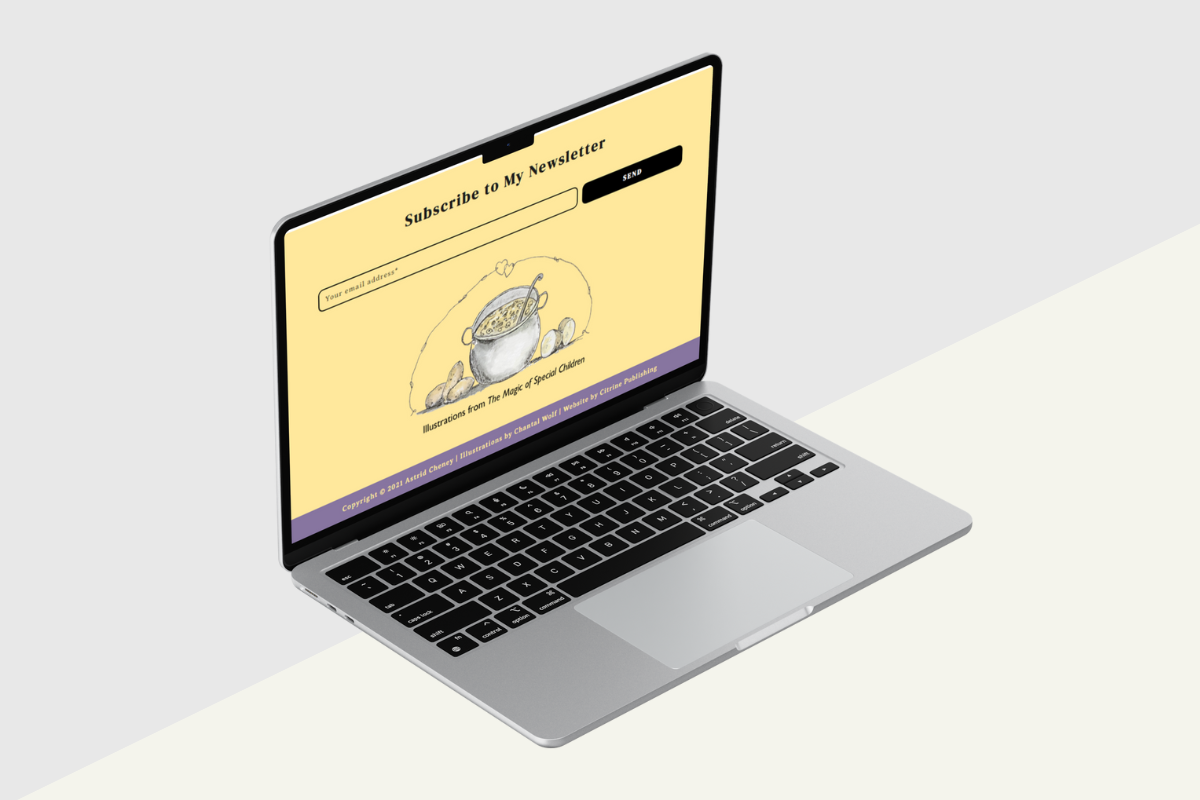
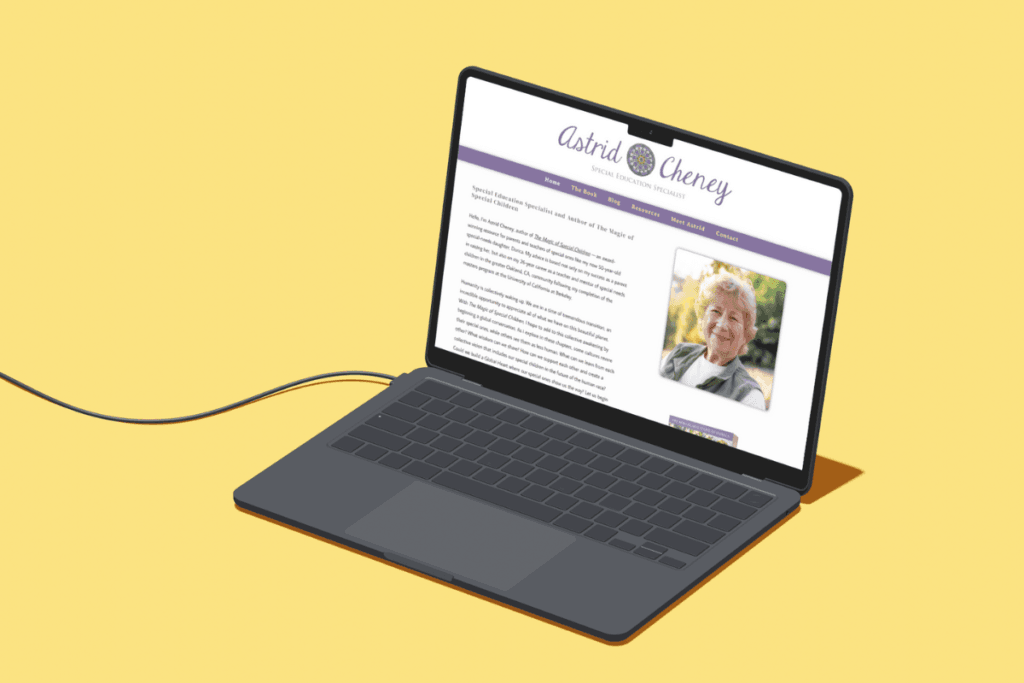
Using insights from the research phase and Astrid’s input, I developed a design concept that resonated with the theme of her book and appealed to the target audience. The design concept encompassed color schemes, typography, imagery, and overall aesthetics.
5. Development in WordPress:
Once the design concept was approved, I commenced the development phase using WordPress. I leveraged custom themes and plugins to ensure flexibility, functionality, and scalability.
6. Content Integration:
I integrated the content provided by Astrid, including book excerpts, author bio, testimonials, and relevant imagery, into the website. This step involved optimizing content for search engines and enhancing readability.
7. Testing and Feedback:
Prior to launch, I conducted thorough testing to identify and rectify any bugs, glitches, or compatibility issues. Astrid was involved in the testing phase to provide feedback and ensure that the website met her expectations.
8. Launch and Optimization:
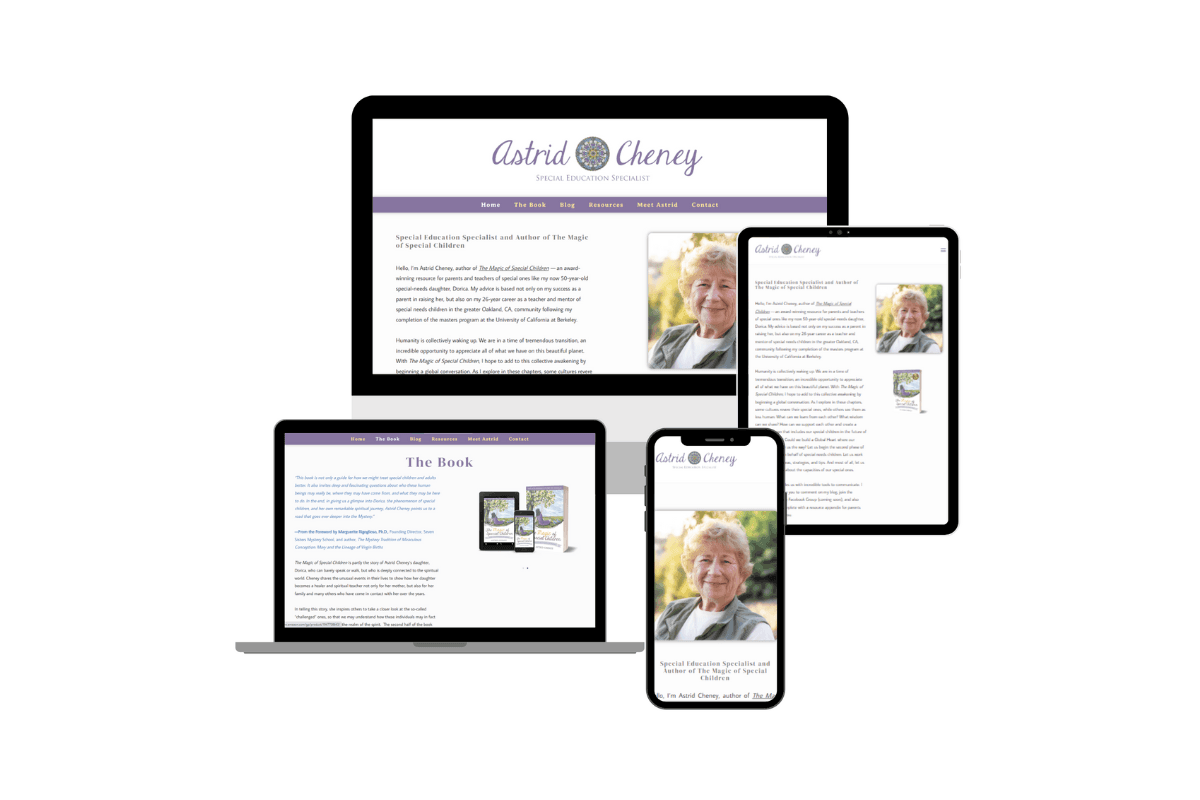
Upon Astrid’s approval, I launched the website and monitored its performance. I implemented optimization techniques, such as SEO strategies, page speed optimization, and responsiveness across devices, to enhance visibility and user experience.
9. Training and Support:
I provided Astrid with training on how to manage and update the website using the WordPress dashboard. Additionally, I offered ongoing support and maintenance services to address any queries or issues post-launch.
10. Feedback and Iteration:
After the website was live, I gathered feedback from Astrid and monitored user interactions to identify areas for improvement. Iterative updates and enhancements were implemented based on feedback to ensure the website remained relevant and effective.