
In 2026, a website is no longer just an online presence.
It’s a sales tool, brand builder, and trust engine—all working together.
Businesses that treat web design as a growth asset are seeing better conversions, lower acquisition costs, and stronger brand recall. Those that don’t are quietly losing opportunities every day.
If you’re planning a new website or redesign this year, here are the top web design trends in 2026 that businesses are actively applying—and why they matter.
1. AI-Driven Personalization (Websites That Adapt to Users)
Static websites are becoming outdated.
In 2026, modern business websites adapt based on user behavior, intent, and location.
Instead of showing the same homepage to everyone, AI-driven personalization allows websites to:
Change hero messaging for returning visitors
Highlight relevant services based on browsing history
Show personalized CTAs for different user segments
Example:
E-commerce and SaaS brands like Shopify and Amazon dynamically personalize product recommendations and homepage sections based on user behavior.
👉 https://www.shopify.com
👉 https://www.amazon.com
Why it matters for business:
Personalized websites increase engagement, improve lead quality, and boost conversion rates without increasing traffic.

2. Conversion-Focused Minimalism (Less Noise, More Action)
Minimalism in 2026 isn’t about empty white space—it’s about clarity.
Businesses are removing:
Unnecessary animations
Long, unfocused pages
Too many CTAs competing for attention
And focusing on:
Clear value propositions
Strong visual hierarchy
One primary action per page
Example:
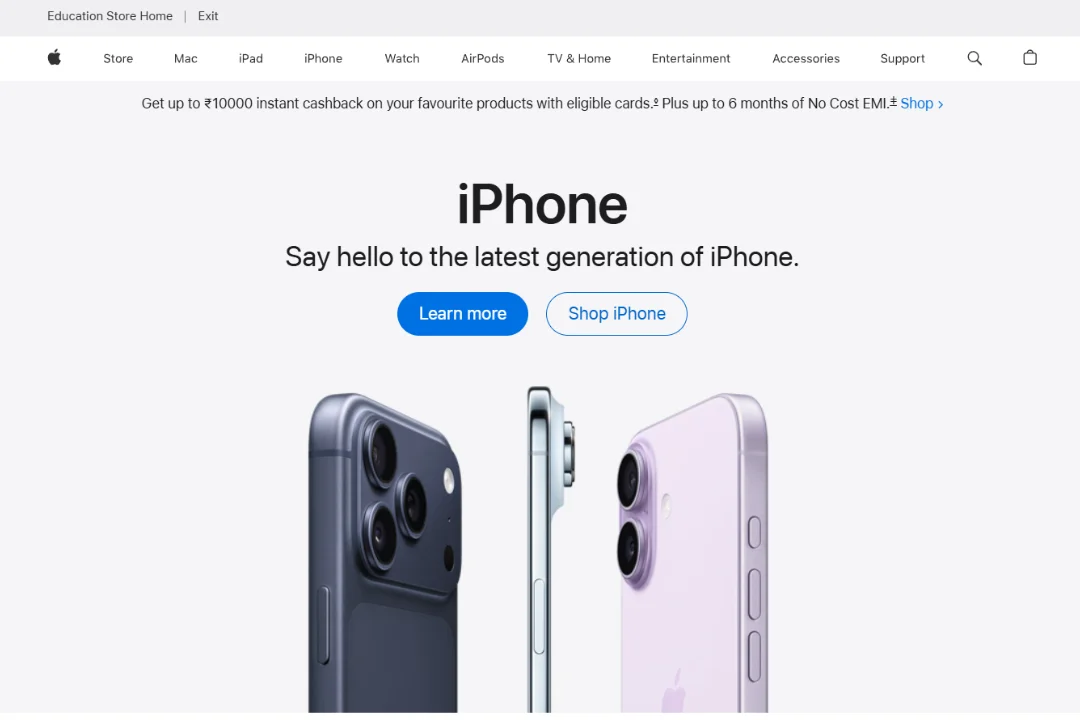
Brands like Stripe and Apple use extremely clean layouts that focus attention on one action at a time.
👉 https://stripe.com
👉 https://www.apple.com
Why it matters for business:
Simpler pages load faster, reduce bounce rates, and guide users toward action more effectively.
3. Micro-Interactions That Guide User Behavior
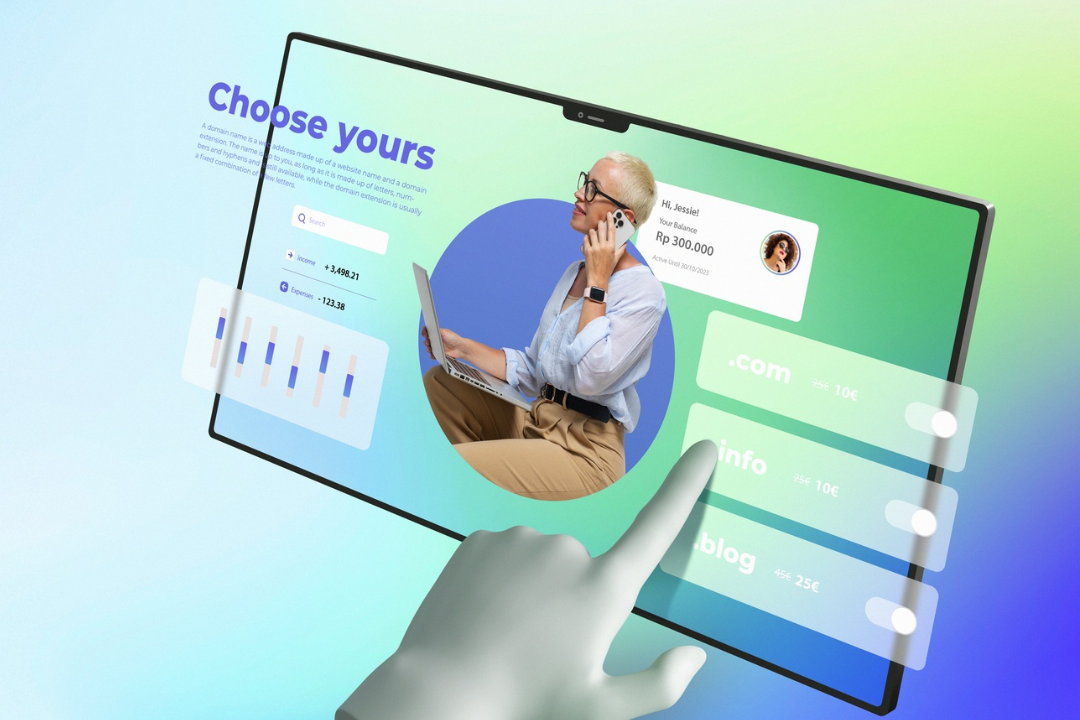
Micro-interactions are subtle animations that respond to user actions:
Button hover effects
Progress indicators in forms
Feedback after form submissions
In 2026, these are used strategically, not decoratively.
Example:
Platforms like Notion and Linear use micro-interactions to guide users smoothly through actions without overwhelming them.
👉 https://www.notion.so
👉 https://linear.app
Why it matters for business:
Micro-interactions reduce friction, improve usability, and make websites feel intuitive—leading to better engagement.
4. Performance-First Design (Speed Is a Design Feature)
Website speed is no longer just a technical concern—it’s a design priority.
Modern designs are built with:
Lightweight layouts
Optimized images and fonts
Fewer heavy scripts
Example:
Companies like Google openly advocate performance-first design through Core Web Vitals.
👉 https://web.dev
Why it matters for business:
Faster websites rank better on Google, keep users engaged longer, and convert more effectively—especially on mobile.

5. Dark Mode & High-Contrast UI
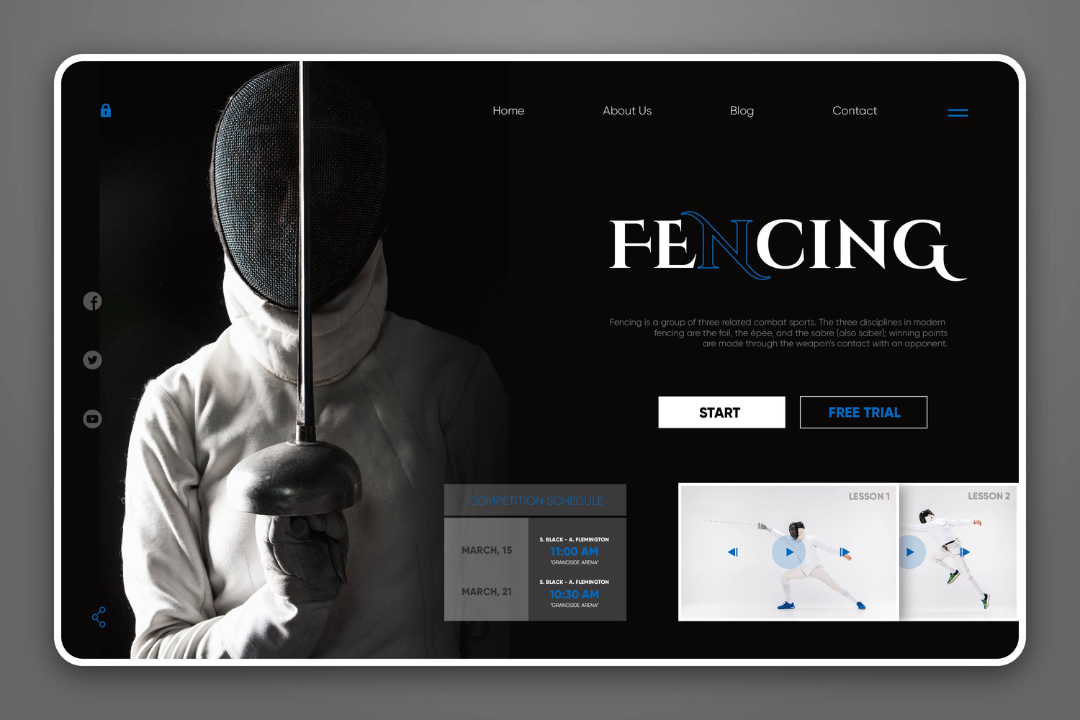
Dark mode has moved from a “nice to have” feature to an expected user preference, especially for:
SaaS platforms
Dashboards
Tech and creative brands
Example:
Brands like Spotify and X (formerly Twitter) have normalized dark-mode-first experiences.
👉 https://www.spotify.com
👉 https://x.com
Why it matters for business:
Better accessibility, reduced eye strain, and a modern brand perception—all contributing to user retention.
6. Human-Centric & Organic Layouts
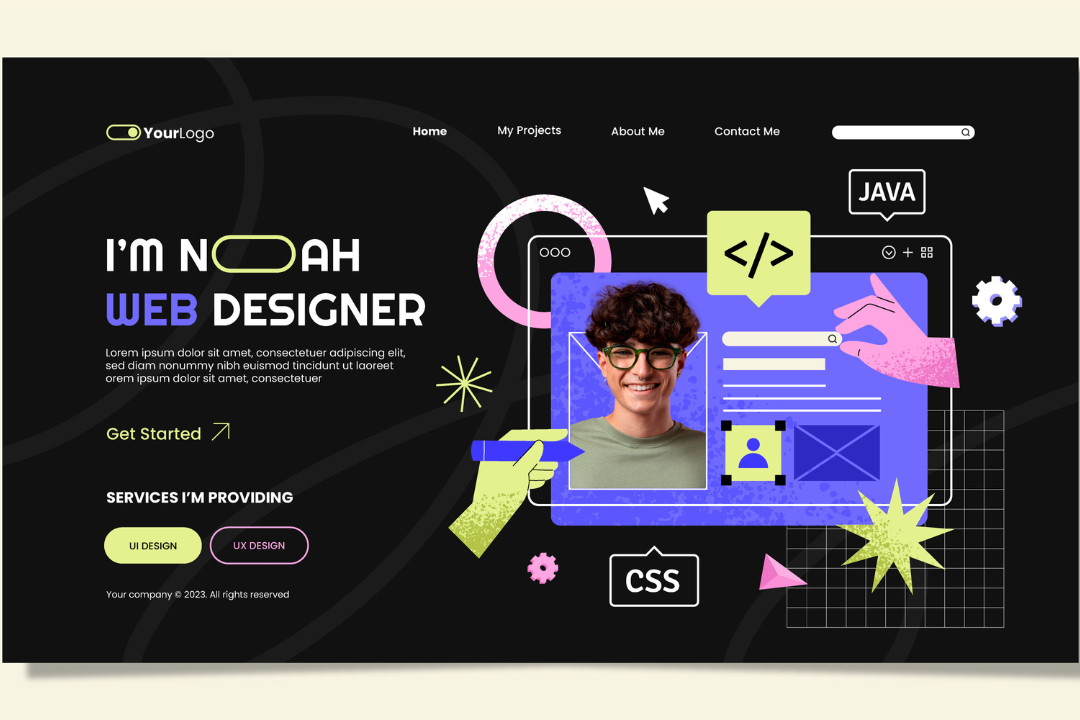
Rigid grid-based designs are giving way to organic shapes, softer layouts, and more human visuals.
This trend focuses on:
Rounded sections
Fluid layouts
Natural spacing and typography
Example:
Creative brands like Airbnb and Mailchimp use soft layouts and human-centered visuals extensively.
👉 https://www.airbnb.com
👉 https://mailchimp.com
Why it matters for business:
Human-centric design builds trust and emotional connection—especially important for service-based businesses.
7. Websites as Sales Funnels, Not Just Pages
In 2026, high-performing business websites are designed as funnels, not collections of pages.
This includes:
Intent-based landing pages
Guided user journeys
Smart CTAs based on funnel stage
Example:
Companies like HubSpot structure their websites to guide users from education to conversion seamlessly.
👉 https://www.hubspot.com
Why it matters for business:
Better lead nurturing, higher conversions, and more predictable results from traffic.

Final Thoughts: Trends That Actually Matter
The top web design trends in 2026 are not about visuals alone.
They’re about performance, clarity, personalization, and conversions.
A modern business website should:
Work like a sales asset
Reduce customer acquisition cost
Build trust before the first call
If your website looks good but doesn’t convert, it’s not modern—it’s outdated.

